CLAN HERITAGE
Tartan
The Lamont tartan holds historical significance as the first tartan registered by Chief Sir John Lamont. Clan Lamont recognises four distinct tartans, each with its own unique purpose and tradition:
- Ancient: This version is typically reserved for evening events and formal occasions, reflecting the heritage of the clan.
- Weathered: Featuring muted tones, this tartan was designed to blend with the hills, making it suitable for hunting and outdoor pursuits.
- Modern: The modern tartan is widely used for day wear, representing the contemporary face of the clan.
- Centenary: Incorporating purple and pinkish shades to evoke the Scottish hills, this tartan was specially created to celebrate the clan’s centenary year. At present, it is not available.
Memorial
In 1906, the Clan Lamont Society erected a memorial at Dunoon. The monument, a stone Celtic Cross, commemorates the many Lamonts who lost their lives in 1646. This site marks the location where members of the clan were taken and killed. Each year, the society honours their memory by laying a wreath at the memorial.
Local Interests
Cowal Highland Games
The society sponsors the Shield at the Cowal Highland Gathering, awarding it to the best Juvenile (under 18) Solo piper at the annual games.
Cowalfest Walking Festival
The walk is a featured part of the festival’s programme, with a committee member taking part through the Knockdow estate, once owned by the Lamont family.
There is a challenging hike from Dunoon across the hills to Inverchaolain. Upon arrival, walkers are welcomed at the manse with soup, sandwiches, and a chance to rest before continuing. According to local folklore, before there was a road to Inverchaolain, those who wished to be buried in the home cemetery would have their coffins carried from Dunoon over the hills to Inverchaolain.
Castle House Museum, Dunoon
The society maintains a close relationship with Castle House Museum, which features a permanent exhibition. The museum also displays military regalia donated by an American member and offers ongoing support for the clan’s activities. The museum is highly recommended for a visit.
Overseas
France – Aubigny-sur-Nère
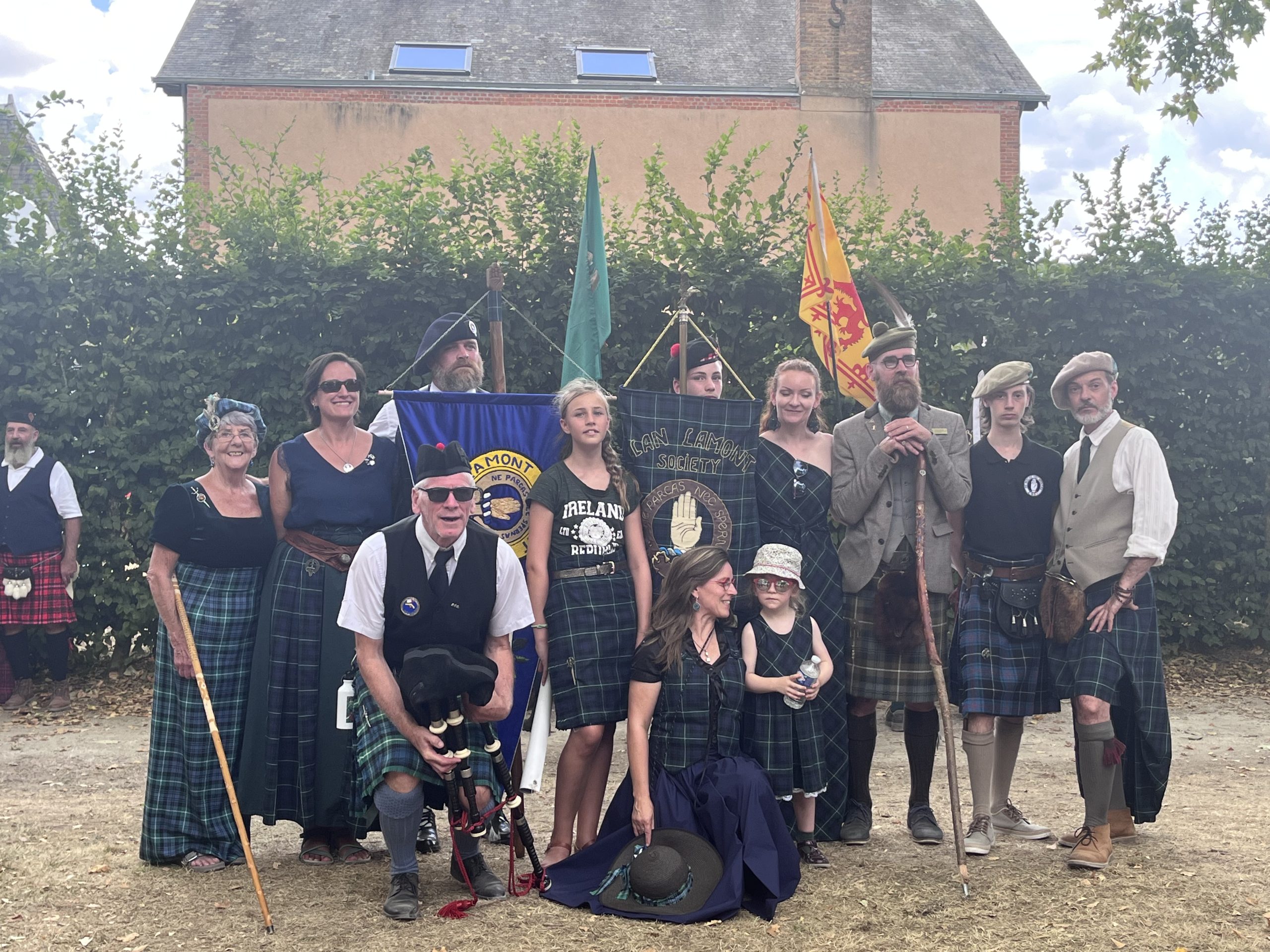
Aubigny-sur-Nère is a small town renowned for its annual Scottish festival, during which its population swells threefold in mid-July. The society hosts a tent in the clan village, providing an opportunity for new friendships to be formed and old ones renewed. The festival culminates in a grand parade featuring clans and participants, with Clan Lamont proudly taking part.
Aubigny played a significant role during the Hundred Years’ War, enduring repeated attacks by English forces. In 1420, under the Auld Alliance treaty, Charles VII enlisted Scottish support. By 1423, Aubigny was granted to Jean Stuart of Darnley, a Scottish army constable, in recognition of his vital assistance. This enduring partnership earned Aubigny the title “The City of the Stuarts”, reflecting its lasting Franco-Scottish heritage.
Belgium
In Ypres, the society participates annually in a memorial parade to honour those who have fallen in all wars. Organised by Clan McKinnon, the parade begins in the town centre and proceeds to the Menin Gate, where a wreath is laid with full ceremonial respect.
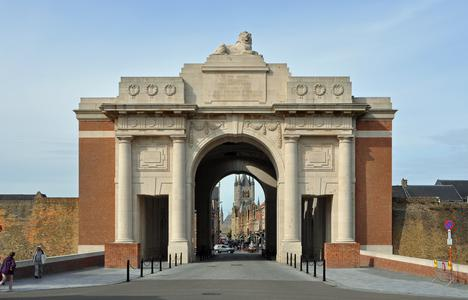
The Menin Gate is a war memorial dedicated to the British and Commonwealth soldiers who were killed in the Ypres Salient of World War 1 and whose graves are unknown. The site was chosen because it is the road where thousands of soldiers marched through on their way to the front and trenches. Millions of names are inscribed.
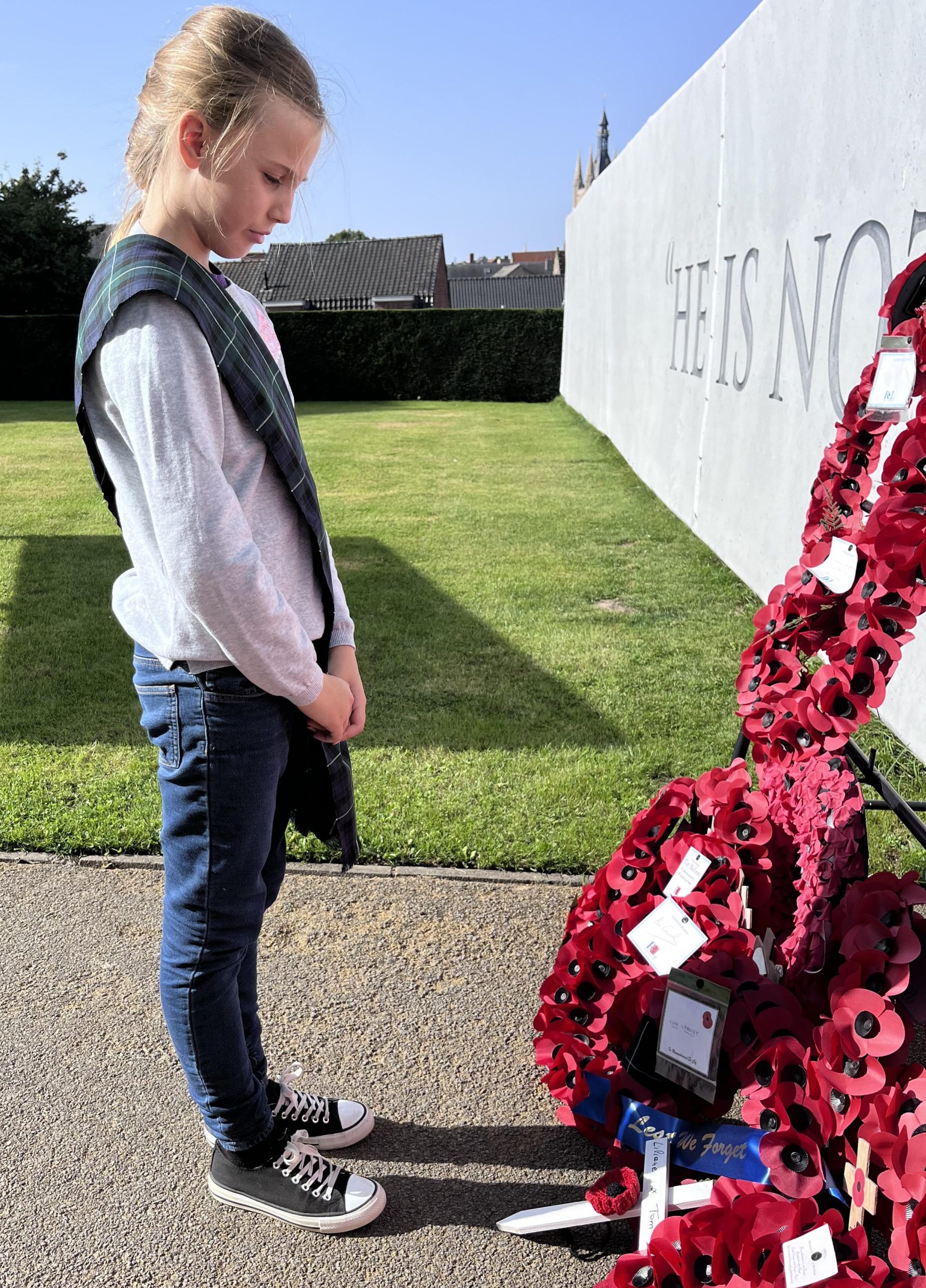
Junior Lamont members lay a wreath annually. In Brussels, the society takes part in Ladies Day, a distinguished occasion celebrating the women of all societies at a prestigious function.